Environmental Research
Environmental Research Direction within the “Smart Tourism Data System” Laboratory
|
|
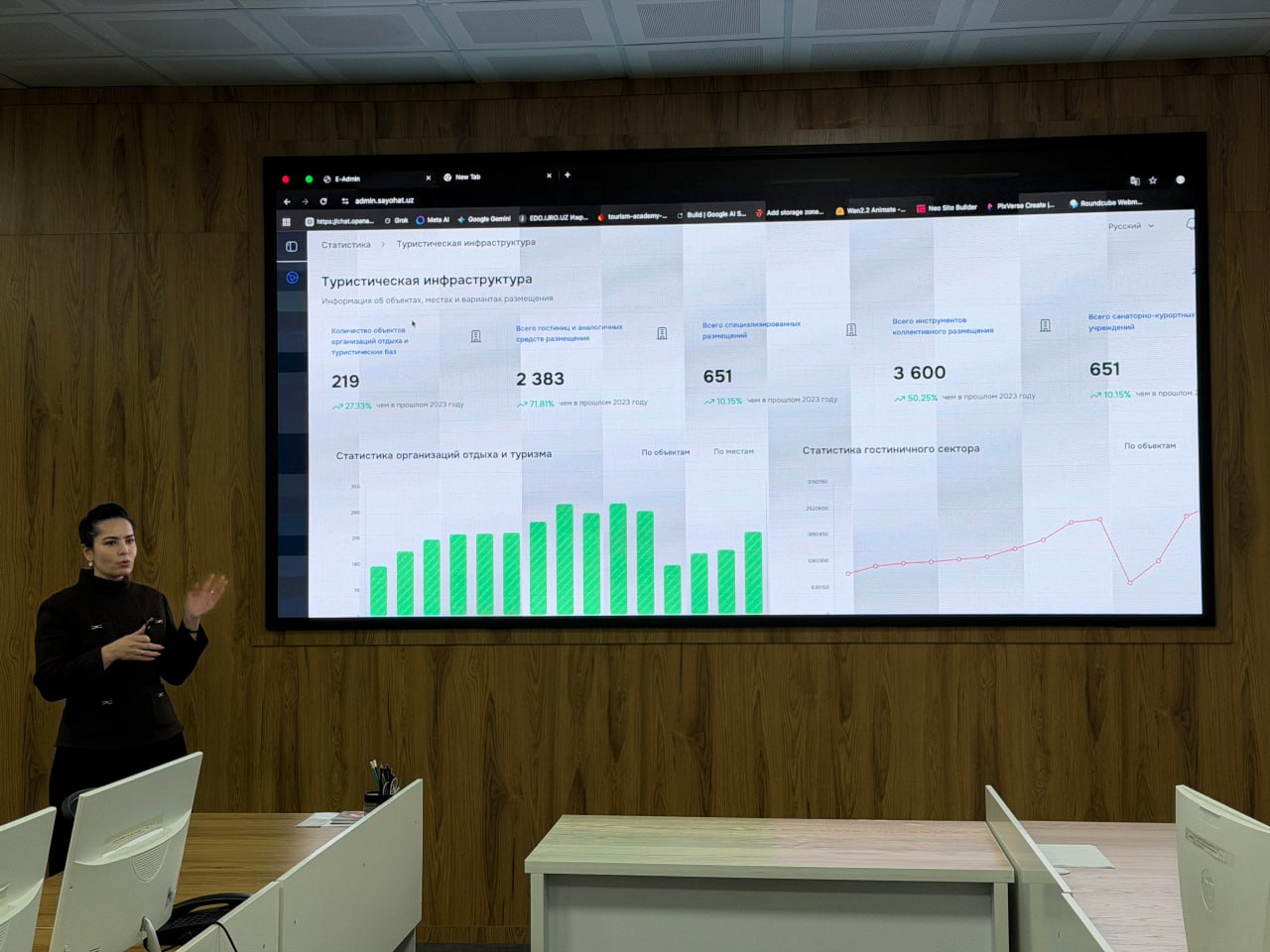
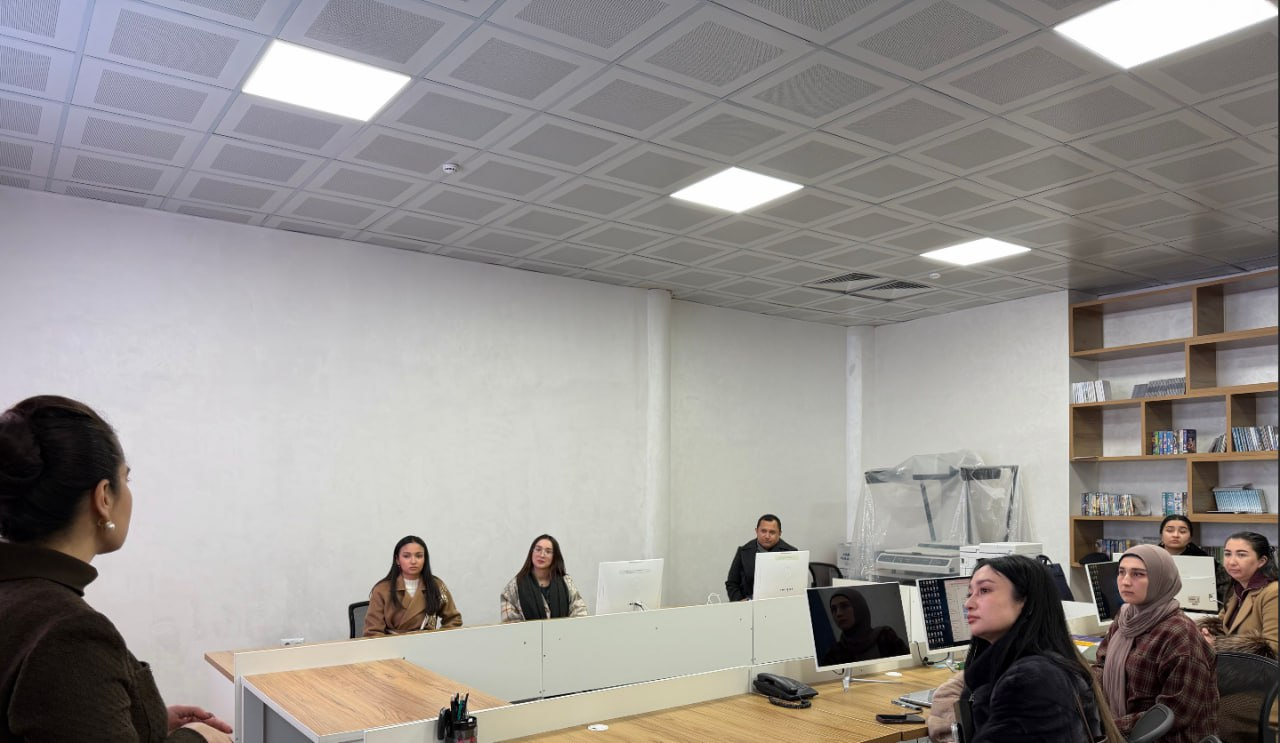
Environmental Research activities are being conducted within the “Smart Tourism Data System” Laboratory through data-driven analysis, sustainability-oriented research, and interdisciplinary scientific inquiry. This direction focuses on the relationship between tourism, regional development, environmental sustainability, and evidence-based decision-making. The laboratory integrates research, education, and analytical practice in order to generate relevant academic and practical outcomes.
About the Laboratory
The “Smart Tourism Data System” Laboratory serves as a modern research infrastructure that supports in-depth analysis of tourism-related data, digital monitoring, analytical modelling, and evidence-based decision-making. Within this framework, the laboratory also contributes to research related to sustainability indicators, territorial analysis, and environmental dimensions of tourism and development. According to the university’s official website, the laboratory is used for in-depth tourism data analysis and for supporting scientific research activities.
Scope of the Environmental Research Direction
The Environmental Research direction within the laboratory includes:
· assessing the environmental impacts of tourism through data-based methods;
· analysing the relationship between tourism development and environmental sustainability across territories;
· studying the efficient use of resources, including energy, water, and related indicators;
· conducting research on green tourism and responsible consumption and production;
· examining territorial development, landscape, natural heritage, and ecosystem-related data;
· producing scientific findings and practical recommendations through data-driven approaches.
Participants
This research direction actively involves faculty members, PhD researchers, and students. Participants engage in scientific writing, empirical analysis, data processing, sustainability indicator assessment, and the development of evidence-based recommendations. In this way, the laboratory functions not only as a research space, but also as a platform for academic capacity building and the development of young researchers.
Alignment with the Sustainable Development Goals
This research direction is closely linked to the following UN Sustainable Development Goals:
SDG 11 – Sustainable Cities and Communities |
Research on sustainable territorial development, tourism infrastructure, cultural and natural heritage, destination attractiveness, and community-oriented planning.
Selected publications relevant to this SDG 11 include:
· STAGES OF THE HISTORICAL DEVELOPMENT OF PILGRIMAGE TOURISM IN THE SOUTH OF UZBEKISTAN
· ANALYSIS OF SAMARKAND’S REGISTAN SQUARE AS A MASTERPIECE OF ISLAMIC ARCHITECTURE
· Sultanate Mosque Sites in Ahmedabad: New Insights into Urban Planning
· Optical Sensing-Driven Urban Safety and Infrastructure Monitoring System for Smart Cities
· Review of Egyptian Cultural Heritage Legislations in Perspective
· Contextual ethical framework for artificial intelligence in the management of cultural heritage
· Traces of Seismic Impacts in the Walls of the Ulugbek Madrassa (Samarkand, Uzbekistan)
· Addressing the economic impacts of climate change in Uzbekistan: Challenges and strategies
· Sangbor Petroglyphs in Bavanat County, Southern Iran
· Traces of Strong Earthquakes in Ruins of the Afrasiab Archeological Site (Samarkand, Uzbekistan)
SDG 12 – Responsible Consumption and Production |
Research on resource efficiency, data-based monitoring, and responsible management practices in tourism and service systems.
Selected publications relevant to this SDG 12 include:
· Forecasting Tourism Services Exports for Sustainable Development: A Case Study of Uzbekistan
· Measuring Hotel Customer Loyalty: Indicators and Metrics
· STAGES OF THE HISTORICAL DEVELOPMENT OF PILGRIMAGE TOURISM IN THE SOUTH OF UZBEKISTAN
· Beyond Tourism: The Importance of Baby Boomer Generation Volunteers
· Circular Economy and Triple Bottom Line: A Case for India
· Sustainable farming systems in smart logistics
· Contextual ethical framework for artificial intelligence in the management of cultural heritage
· Does Tourism Development Improve the Quality of Life in Kazakhstan?
· EVALUATING THE DRIVERS OF OUTBOUND TOURISM: EVIDENCE FROM CENTRAL ASIA
· Supply chain risk management in the business sector: The modern perspective
· How Does New Quality Productive Forces Affect High-Quality Development in Tourism Industry
· Agritourism as an Emerging Sustainable Tourism Industry in Uzbekistan
· Volunteer tourism: The future of baby boomer tourists in a post pandemic world
· Baby boomers and sustainable tourism: The need for a new research agenda
SDG 13 – Climate Action |
Scientific analysis of climate-related risks, environmental resilience, low-carbon development, and climate-sensitive policy and management responses.
Selected publications relevant to this SDG 13 include:
· Addressing the economic impacts of climate change in Uzbekistan: Challenges and strategies
SDG 15 – Life on Land |
Research on landscapes, biodiversity, protected areas, terrestrial ecosystems, and the interaction between tourism development and environmental conservation.
Selected publications relevant to this SDG 14 include:
· Sustainable farming systems in smart logistics
Research Outputs
Research conducted under the Environmental Research direction produces scientific results at the intersection of sustainability, environmental governance, tourism, and data analytics. These outputs may be presented in the form of journal articles, conference papers, analytical reports, and practical recommendations. A key strength of this direction is that its results are based on empirical data and analytical evidence rather than purely conceptual discussion.